
Hue Factor: Color Code of the Rx-to-OTC Brand Journey
Dr. Ritu Sinha

This article explores how the Hue Factor becomes a defining code in the Rx-to-OTC brand journey, shaping not just how pharmaceutical brands look, but how they are understood, trusted, and chosen.
The Indian pharmaceutical landscape is witnessing a significant transition where growing number of prescription medicines are moving into the OTC space (Marathe et al., 2020). After COVID-19, a rising number of Indians are delving into preventive healthcare, wellness, and immunity support. This has become possible due to easy access to medical information, digital health tools and to manage their own self-care (Vasanthan et al., 2024). Hence, pharmaceutical brands are being required to refine their communication strategies when entering the OTC space. Earlier, doctors were the main decision-makers. Nowadays, consumers make their own decisions by buying products directly from store shelves or online listings (Jain et al., 2025). These choices are result of their past product knowledge and the information available with packaging, online listings, or visual cues.
In this context, brand color serves as more than an aesthetic choice. It acts as a non-verbal yet influential communicator and helps the brand stand out from the crowd. It bridges the gap between the brand’s identity and core values and the consumers. It also contributes to the brand loyalty by leveraging on the scientific credibility developed during the prescription phase (Kantor, 2022). In the OTC context, color additionally signals safety, familiarity, and emotional reassurance. It also serves a practical function like in India, pharmacists play an important role in OTC purchases, and clear color-coding assists them in identifying products and providing recommendations. Consequently, color shapes consumer perception, influences purchasing behavior. It also facilitates the transition from a clinical, prescription-led setting to a more consumer-driven environment (Li, et al., 2025).
Various studies have confirmed that 60–90% of consumer decisions are prompted by color and make an increase in brand recall 80%. The strategic importance of color among other visual elements is highlighted by the fact 40% of users relate their brand recall by visual color cues (Gupta et al., 2025). Even the pharmaceutical brands use color to build visual identity and guide choices. While Rx products mostly use clinical blues, greens, greys, and whites to convey precision, the OTC space includes more of warmer palettes. For instance, red symbolizes cardiovascular care; darker yellows specify in men’s health; soft yellows, peach, mint, and teal identifies women’s health; green labels nature and allergy relief; and purple reflects calm, making it ideal for sleep aids (PT Staff, 2023). Brighter hues boost visibility, softer tones enhance relatability, and whitespace signals simplicity. In OTC settings, color makes the brand to standout at shelves and boost impulse purchases decisions.
The transition from Rx-to-OTC required selecting the right color palette balance. The brand must appear more consumer-friendly and should not lose the familiarity to long-standing users. Color often serves as the bridge in the journey from Rx-to-OTC. Many brands retain their core visual cues from their Rx identity. However, when they enter into OTC space, they incorporate visual techniques softer gradients, brighter accents, or color-blocking. These modifications preserve brand recall and offer trust for the brand at retail shelves. For example, brands like Prilosec, Claritin, and Flonase continued with their signature color palettes during their Rx-to-OTC shifts. Vicks used vibrant greens and blues to reinforce the brand’s promise of cooling, effective relief. Claritin employed sky blue to induce openness and wellness. Voltaren adopted orange to communicate warmth and rapid action. These updates help the brand in revitalizing while preserving its core recognizability. Even with the use of minimalist design, these brands prioritized clarity and functional ease of use. The differentiated color schemes help in creating patient engagement without compromising their clinical heritage.
Ethical use of color is essential in pharmaceutical branding, as color choices must not create confusion in consumers. A responsible color strategy supports safe usage by highlighting product strengths, distinguishing age groups, and clarifying dosage forms. The colour and design choices improves readability and helps in preventing dosage mistakes. Many brands are now adopting organic palettes of green and teal to evoke a sense of natural health and wellness. For instance, the OTC ranges from Dabur and Himalaya are some of successful examples that are using these visual cues to reinforce their reputation for herbal efficacy.
Across various categories, color coding is used to help consumers differentiate between various product variants. For example, daytime orange in Vicks DayQuil setting it apart from the nighttime blue of NyQuil. Many brands make use of premium packaging finishes like metallic foils (Sensodyne Repair & Protect), holographic accents (Neurobion), and color-shifting inks (high-value injectables) for differentiation in the OTC category. These strategies help pharma brands to become consumer-friendly self-care essentials without sacrificing the trust associated with a clinical safety and heritage.
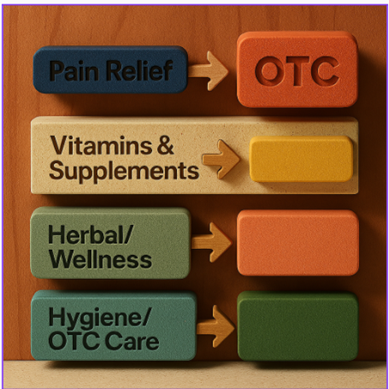
The consumer-centric design along with sustainability are shaping the pharmaceutical color strategies. For instance, eco-friendly packaging often makes use of muted greens and earthy tones to communicate the product with health and wellness values. Design like larger fonts, higher contrast, and color pairings supports safe product use. When transitioning from prescription (Rx) to over-the-counter (OTC) status, brands like Volini, Revital, Crocin, Dettol, Dabur Honitus, and Eno has adopted softened clinical color palettes. The shift toward warmer tones were key to boosting product visibility and immediate recognizability on store shelves.
Dr. Ritu Sinha
Associate Professor, IES’s Management College and Research Centre, Bandra, Mumbai, author can be reached at rituvigsinha@gmail.com, ritu.sinha@ies.edu